Ice baths have become a popular recovery tool among athletes, fitness enthusiasts, and anyone looking to alleviate muscle soreness. While the thought of submerging yourself in ice-cold water might send chills down your spine (literally!), the science behind ice baths suggests they can be beneficial for recovery. This article will walk you through the basics of ice baths and provide essential tips to ensure you get the most out of your chilling experience without risking your health.
Ice Baths 101: The Basics of Chilling for Recovery
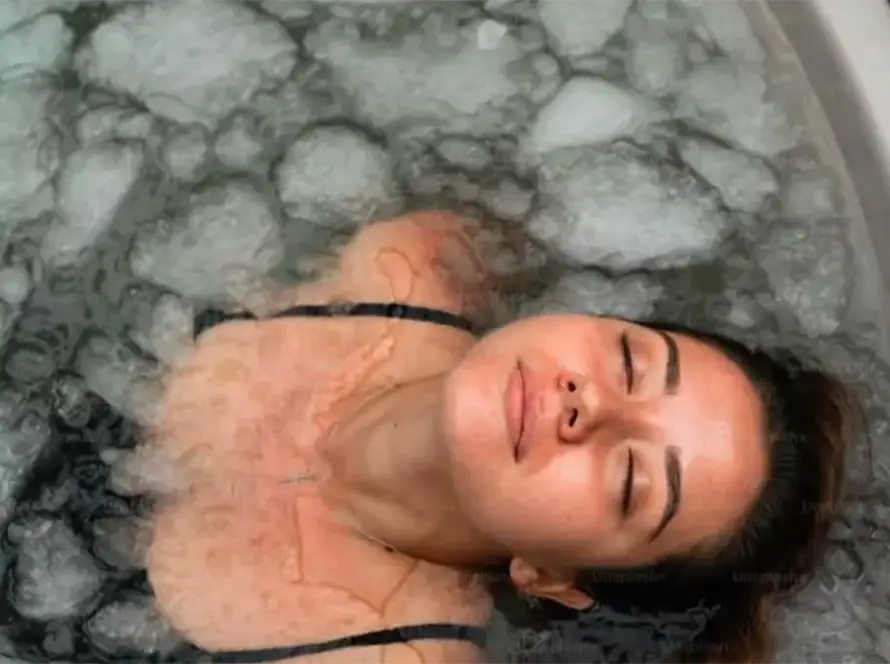
So, what exactly is an ice bath? Essentially, it’s a cold water immersion therapy that involves sitting in a tub filled with ice and water, typically at temperatures around 50°F to 59°F (10°C to 15°C). Many athletes turn to ice baths after intense workouts or competitions to reduce inflammation and soreness. The cold temperature constricts blood vessels, which helps to reduce swelling and flush out metabolic waste from the muscles. Once you exit the bath, your body warms up, and blood flow returns, delivering fresh oxygen and nutrients to your muscles—a double whammy for recovery!
The science behind why ice baths work is relatively straightforward. When you’re submerged in ice-cold water, your body reacts by sending blood away from the surface and towards your core, which helps regulate your body temperature. This process can effectively numb pain and decrease nerve activity, providing relief for sore muscles. The key is not to stay in for too long—typically, 10 to 15 minutes is sufficient to reap the benefits without experiencing adverse effects like hypothermia.
Despite their effectiveness, ice baths aren’t a one-size-fits-all solution. Depending on your body, fitness level, and tolerance for cold, you might need to adjust your ice bath routine. While some may find it invigorating, others may feel overwhelmed by the cold. It’s essential to listen to your body and consult with a healthcare professional if you have any existing medical conditions that might be affected by extreme temperatures.
Tips and Safety Tricks for Your Ice Bath Experience
Before you take the plunge, there are several preparation steps you should consider to ensure a safe and enjoyable experience. First, make sure you have everything you need within arm’s reach—towels, warm clothing, and a timer. The last thing you want is to be fumbling around while you’re shivering! Also, consider starting with a milder cold exposure, like a cold shower, to help acclimate your body before diving into the ice bath.
When it comes to adjusting your ice bath temperature, consider your experience. If you’re new to ice baths, you may want to start with higher temperature and gradually decrease it as your body gets used to the cold. Also, remember to wear a swimsuit or shorts, and consider donning a cap or socks to keep your extremities from getting overly cold. You can also distract yourself with music or a podcast while you soak—anything to make the experience more enjoyable!
Finally, keep a close eye on the clock. Staying in too long can lead to discomfort, numbness, and even frostbite. If you start feeling any sharp pain or extreme discomfort, it’s a good idea to get out and warm up. After your ice bath, take your time warming back up with some light stretching or gentle movement to help your body readjust. Hydration is key, too, so be sure to drink water afterward to help replenish fluids lost during your recovery session.
In conclusion, ice baths can be a fantastic tool for recovery when done correctly and safely. By understanding the basics and following essential tips for a successful experience, you can incorporate this chilling method into your post-workout routine. Remember, it’s all about finding what works best for your body. So, if you’re ready to chill out and elevate your recovery game, don your suit, fill that tub, and embrace the cold!